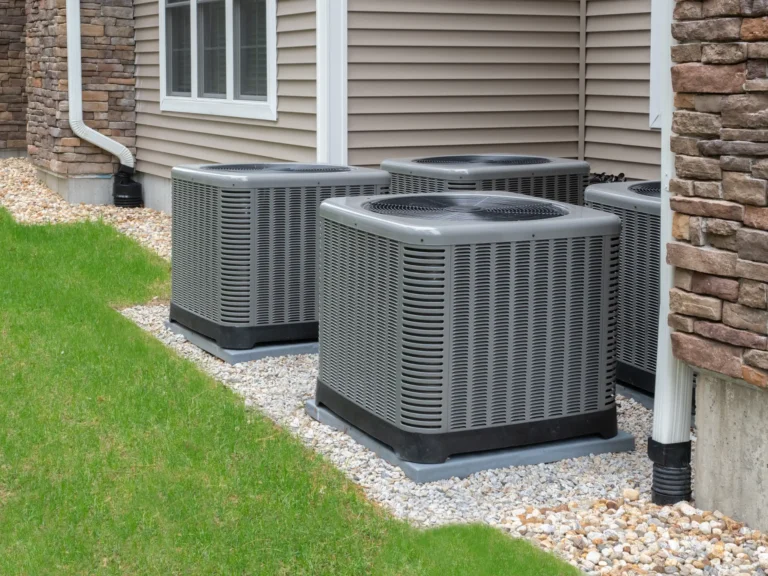

Stay Comfortable Year-Round with Heat Pumps in Catlin, IL
A heat pump moves heat rather than creating it, which makes it one of the most efficient ways to condition a home in Catlin, IL. During cooler months, it pulls warmth from outdoor air and transfers it inside. During warmer months, it reverses the process and removes heat from your home. One system handles both heating and cooling, which is why so many homeowners in the area are moving toward this technology. At Blackie's Heating & Cooling, we install, service, and repair heat pumps across the region, and we help homeowners understand exactly what they are buying before any work begins.
How a Heat Pump Actually Works
A heat pump operates on a refrigerant cycle, similar to a traditional air conditioner, but with a reversing valve that allows it to run in both directions. In cooling mode, the indoor coil absorbs heat from the air inside your home and the refrigerant carries that heat outside. In heating mode, the reversing valve flips the flow, so the outdoor coil absorbs heat from the outside air and the indoor coil releases it into your living space. Even in cold weather, there is usable heat energy in the outdoor air that the system can capture.
This process is what makes a heat pump so efficient. Instead of burning fuel to generate heat, it simply transfers heat that already exists. A well-matched unit can deliver several units of heating or cooling energy for every unit of electricity it consumes. For Catlin, IL homeowners who want to lower monthly energy use without sacrificing comfort, this efficiency is often the deciding factor.
Is a Heat Pump the Right Choice for Your Home?
The most common question we hear is whether a heat pump can keep a home warm through an Illinois winter. The answer is yes, but the details matter. Modern heat pumps perform far better in cold weather than older models, and many are paired with a supplemental heat source for the coldest days. This combination, often called a dual-fuel or hybrid system, uses the heat pump for most of the season and switches to a gas furnace when temperatures drop below the point where the heat pump is most efficient.
Another question centers on home size and existing ductwork. If your home already has ducts in good condition, a standard ducted heat pump is usually the simplest upgrade. If you have rooms that never heat or cool evenly, or if you are adding space without ductwork, a ductless mini-split heat pump may be the better answer. We evaluate your home’s layout, insulation, window placement, and current system before recommending anything. A unit that is too large will cycle on and off too frequently, while one that is too small will run constantly and still fall short.
Types of Heat Pumps We Install
Not every home needs the same equipment, so we work with a range of systems to match the situation. Our technicians are Carrier Factory Authorized Dealers and NATE Certified, which means the installations we complete meet manufacturer specifications and industry standards. Here are the main options we discuss with homeowners:
- Air-source heat pumps: The most common type for residential use, these transfer heat between your home and the outdoor air and connect to existing ductwork for whole-home comfort.
- Ductless mini-split heat pumps: Ideal for additions, finished basements, garages, or homes without ducts, these use an outdoor unit connected to one or more indoor air handlers.
- Dual-fuel systems: A heat pump paired with a gas furnace that automatically selects the most efficient heat source based on outdoor temperature.
- Variable-speed heat pumps: These adjust output in small increments rather than simply turning on and off, which improves comfort and reduces energy use.
We service all makes and models, so even if your existing heat pump was installed by another company, we can maintain or repair it. When it is time for a new system, we offer free estimates on new equipment installations so you know your options before you commit.
Our Installation Process
A quality installation begins long before any equipment arrives. We start with a thorough assessment of your home, including a load calculation that accounts for square footage, insulation levels, window efficiency, and local climate conditions. This calculation determines the correct size for your heat pump. Skipping this step is one of the most common reasons heat pumps underperform, so we never treat it as optional.
Once the right system is selected, our crew handles the removal of old equipment, the placement of the outdoor unit on a level and clear foundation, the connection of refrigerant lines, and the integration with your ductwork or the mounting of indoor air handlers. We then charge the refrigerant to the manufacturer’s exact specification, verify airflow, and test the system in both heating and cooling modes. Before we leave, we walk you through the thermostat settings and basic maintenance so you understand how to get the best performance from your new system.
Maintenance and Repair
A heat pump runs year-round, which means it works more hours than a system that only heats or only cools. Regular maintenance protects that investment. During a service visit, we inspect the refrigerant charge, clean the coils, check electrical connections, test the reversing valve, and confirm that the defrost cycle operates correctly. Dirty coils and low refrigerant are two of the most frequent causes of reduced efficiency, and both are easy to catch during routine service.
When something does go wrong, the symptoms are usually noticeable. A heat pump that runs constantly, blows air at the wrong temperature, makes unusual noises, or short cycles needs attention. Because we offer 24 hour emergency service, you are not left waiting when your system fails on the coldest night of the year or during a summer heat wave. Our technicians arrive prepared to diagnose the issue and get your home comfortable again as quickly as possible.
Efficiency and Long-Term Savings
Heat pump efficiency is measured by SEER2 for cooling and HSPF2 for heating. Higher numbers mean lower operating costs over the life of the equipment. When we recommend a system, we explain these ratings in plain terms so you can weigh the upfront cost against the savings you will see on your energy bills. For homeowners who want a complete picture, we also provide energy audits that identify where your home loses heat and where improvements will make the biggest difference.
We believe in fair and upfront pricing. You will know what you are paying for and why before any work starts. This approach has helped make Blackie's Heating & Cooling one of the area’s largest and most respected heating and air conditioning companies, and it is a standard we hold to on every job, whether it is a simple repair or a full system replacement.
Why Homeowners Choose Blackie's Heating & Cooling
We are a four-generation family business that has served this community since 1926. That history gives us a combined 200 years of residential mechanical systems expertise, and it means we understand the specific heating and cooling demands of homes in Catlin, IL and the surrounding Danville, Westville, Oakwood, Vermilion Court, Georgetown, Catlin, Tilton, Hegeler, Ogden, Fairmount, and Bismarck, IL areas. We have seen how systems hold up through decades of Illinois winters and summers, and we apply that knowledge to every recommendation we make.
Being deeply rooted in the Danville and Champaign area means we are involved in the community we serve. Our customers return to us time and again because of our service history and the relationships we have built. When you choose us for your heat pump, you are working with a company that plans to be here for the next generation, standing behind the work we do. If you are considering a heat pump for your home, reach out to Blackie's Heating & Cooling and let us help you find the right system for your comfort and your budget.